 Air Source Heat Pump Quote
Article
How much does it cost to install a new gas boiler?
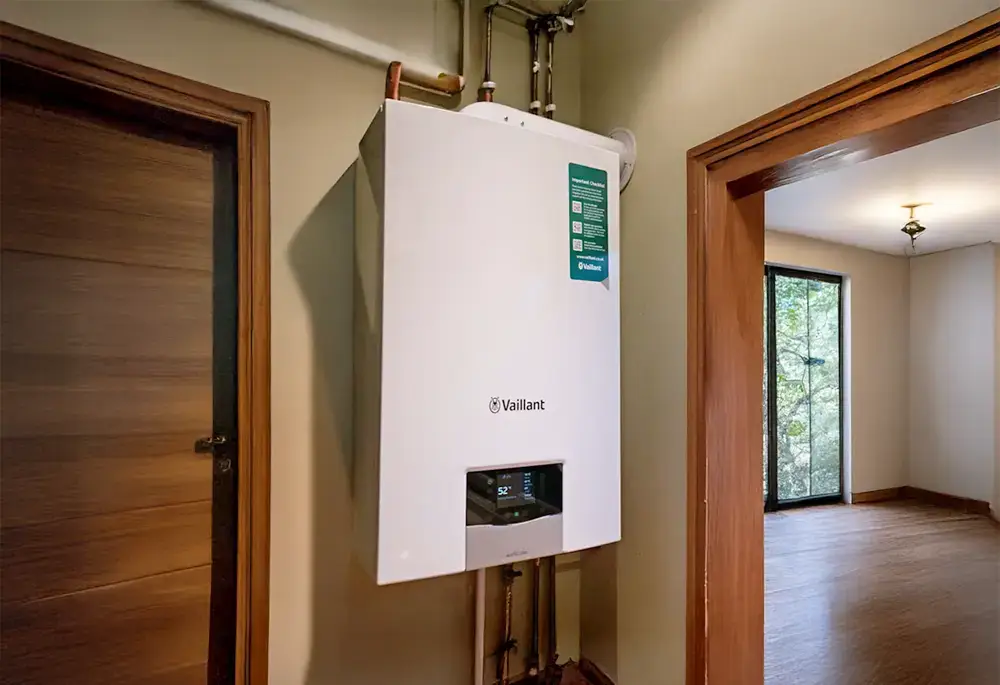
Wondering how much does it cost to install a new gas boiler? See typical UK prices, what affects cost, and how to avoid surprise extras.
If your boiler is starting to fail on cold mornings, making odd noises, or pushing your energy bills up for no clear reason, the question usually becomes urgent quite quickly - how much does it cost to install a new gas boiler? For most homes in the UK, the answer is usually somewhere between £2,200 and £4,500, but the final figure depends on the boiler type, the complexity of the job, and whether any upgrades are needed to bring the system up to current standards.
That broad range can feel frustrating when you just want a straight answer. The reality is that two homes on the same street can have very different installation costs. A simple like-for-like combi swap is usually much cheaper than changing boiler type, moving the boiler to a new position, or correcting pipework and flue issues uncovered during the work.
1. How much does it cost to install a new gas boiler in the UK?
As a general guide, a straightforward combi-to-combi replacement often falls between £2,200 and £3,200. A system boiler replacement is often in a similar bracket, while a regular heat-only boiler can vary more depending on the cylinder, tanks and controls already in place. If you are converting from one type of system to another, such as replacing a regular boiler with a combi, costs often rise to around £3,500 to £5,500 or more.
These figures normally include the boiler itself, standard installation labour, basic flue components, system filters where required, and commissioning. They do not always include remedial works, upgrades to old pipework, new radiators, difficult access, or making good after any building work. That is why a proper survey matters.
For landlords and small commercial premises, pricing can look different again. Property layout, hot water demand, tenancy arrangements and compliance requirements all affect the scope of the work.
2. What affects the cost of a new gas boiler installation?
The biggest factor is the type and size of boiler you need. A small flat with one bathroom may be well served by a modest combi boiler, while a larger family home with multiple bathrooms may need a higher output model or a system better suited to greater hot water demand. A boiler that is too small will struggle. One that is oversized can be inefficient and poor value.
Brand and warranty length also make a difference. Some homeowners prefer a budget-friendly option to keep upfront costs down, while others choose a premium boiler with a longer manufacturer warranty for extra reassurance. Neither approach is automatically right or wrong - it depends on how long you expect to stay in the property, your budget, and how important long-term cover is to you.
Installation complexity matters just as much as the appliance itself. If the new boiler is going in the same place as the old one, with suitable existing pipework and an acceptable flue route, labour time is lower. If it needs to be relocated to a loft, utility room or airing cupboard, the work can become much more involved.
Then there are the hidden issues older systems sometimes bring. Sludge in the heating circuit, poor water quality, ageing valves, damaged controls or undersized gas pipework can all add to the total cost. These are not always signs of a bad installer or a bad system. Often, they are simply the result of a heating system reaching the stage where several elements need attention together.
3. Boiler type matters more than most people expect
Combi boilers are often the cheapest option to install if your home already has one and it suits your hot water needs. Because they heat water directly from the mains and do not need a separate hot water cylinder, installation can be relatively straightforward in the right property.
System boilers work with a hot water cylinder and are often a good fit for homes that need stronger hot water performance across more than one bathroom. The installation cost can be higher if the cylinder or associated controls also need changing, but they can be the better long-term solution for larger households.
Regular boilers, sometimes called conventional or heat-only boilers, are still common in older properties, particularly where there is an existing cylinder and loft tank arrangement. Replacing one like for like may be practical, but many owners also ask about switching to a combi. That can save space, though it is not always the cheapest route and it is not always the best option for busy households.
4. Typical extras that can change the final price
This is where estimates can start to vary. Two quotes may look far apart at first glance, but one may include work the other has not allowed for.
A magnetic filter is often recommended to help protect the new boiler from debris already in the system. A chemical flush or, in some cases, a more intensive clean may be needed if the water quality is poor. New heating controls, a programmable thermostat or smart controls may also be sensible if the old setup is outdated.
Flue changes can also affect price. Modern regulations and manufacturer instructions must be followed, and sometimes the existing route or terminal position is no longer suitable for the replacement model. If the gas supply pipe is undersized, that may need upgrading as well.
You may also need condensate pipe alterations, new radiator valves, replacement pumps, or adjustments to cupboards and boxing. None of these jobs are unusual, but they do explain why a proper written quotation is far more useful than a rough online estimate.
5. Is the cheapest boiler quote the best value?
Not always. A low quote can be perfectly genuine, but it is worth checking what is actually included. Some prices cover only the very basics and leave room for extras later. Others may use a lower-spec appliance, shorter warranty, or minimal system protection.
Good value usually comes from a clear quote, suitable boiler sizing, proper commissioning, and installation carried out to current regulations and recognised British standards. That may not be the cheapest option on paper, but it is often the one that avoids call-backs, breakdowns and disappointment.
For many households, reassurance matters just as much as the headline number. Knowing the engineer will turn up when agreed, explain the job properly, and leave the property tidy has real value, especially when heating and hot water are involved.
6. How to budget for a new gas boiler without surprises
The best starting point is an on-site assessment. That allows the installer to look at your current boiler, your hot water demand, radiator setup, controls, flue position and gas supply before giving proper advice. It also gives you the chance to ask sensible questions about warranty, timescales and any likely extras.
When comparing quotes, check whether VAT is included, whether system cleaning is part of the price, what controls are being fitted, and whether the quote covers registration, commissioning and removal of the old boiler. If one quote is much lower, ask why. There may be a good reason, but it is better to understand it before work starts.
If your current boiler is still running, it can be worth replacing it before it fails completely. Emergency replacement often leaves less time to compare options and can put pressure on decision-making. Planned replacement usually gives you more control over budget and boiler choice.
7. When a new boiler may not be the right answer
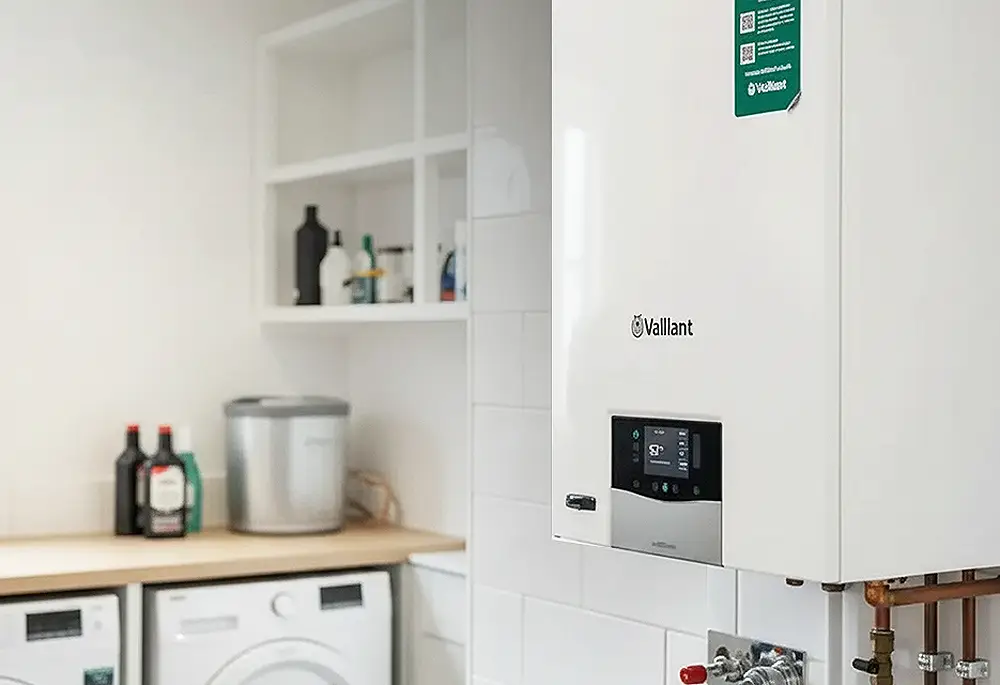
It is worth saying that not every heating problem means you need a new boiler. Sometimes a repair, new controls, or system cleaning is enough to restore performance. If the appliance is relatively modern and the fault is isolated, replacing the whole boiler may not be the most cost-effective route.
On the other hand, if the boiler is old, unreliable, expensive to repair and no longer efficient, ongoing fixes can become false economy. Honest advice matters here. A good heating engineer should explain the trade-off clearly rather than push a replacement that does not make sense.
For some rural properties and homeowners planning further upgrades, it may also be sensible to ask whether a gas boiler is still the best long-term fit. In certain homes, particularly where broader renovation or low-carbon improvements are being considered, it is worth looking at the wider picture before committing.
8. Getting a realistic quote for your home
The most accurate answer to how much does it cost to install a new gas boiler comes from a proper survey of your property, not a one-size-fits-all figure online. A trusted local installer should be able to talk you through the options in plain English, explain what is included, and give you a clear quotation without hidden fees.
At Blackdown Heating Ltd, that straightforward approach is what many customers value most. Whether the job is a simple boiler swap or a more involved system upgrade, clear pricing and honest advice make it much easier to choose with confidence.
If you are weighing up repair versus replacement, or trying to make sense of a few very different quotes, the right next step is not to guess - it is to get the system looked at properly, so the price reflects your home rather than someone else’s.
Summary
A new gas boiler installation in the UK typically costs between £2,200 and £4,500, depending on the boiler type, installation complexity and any upgrades required. Straightforward replacements are usually more affordable, while system conversions and additional remedial work can increase the final cost.
If your current boiler is becoming unreliable, inefficient or expensive to repair, getting professional advice early can help you avoid unexpected breakdowns and costly surprises.
Thinking about a new boiler?
Our Gas Safe registered engineers can assess your current heating system, explain your options clearly, and provide a detailed quotation tailored to your home and hot water needs. Contact us to schedule an appointment.
View All Articles 07880 724 998
 Air Source Heat Pump Quote