 Air Source Heat Pump Quote
Article
Can a heat pump replace an oil boiler at home?
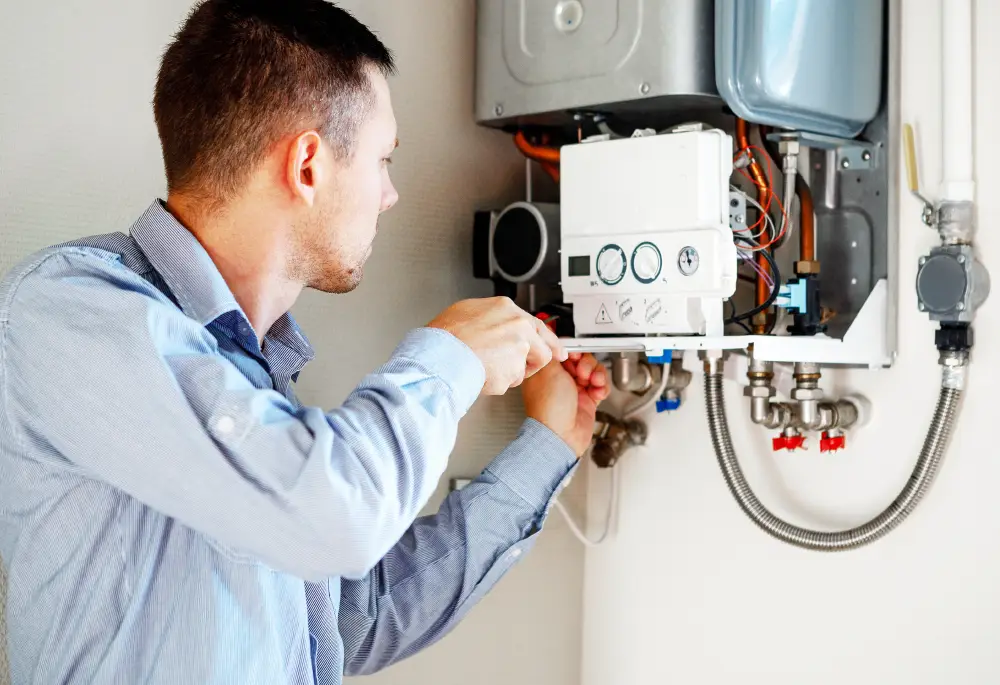
An oil boiler that is becoming unreliable can leave a household facing a bigger question than simply choosing its replacement. Can a heat pump replace an oil boiler in a rural home, without compromising comfort on cold winter days? In many properties, yes. But the right answer depends on the building, the existing heating system and how much work is needed before installation.
An air source heat pump is not a like-for-like boiler swap. It provides heat differently, working most efficiently at lower flow temperatures over longer periods. That means a proper survey matters far more than a quick estimate based on the size of the old oil boiler. Done well, a heat pump can provide dependable heating and hot water while removing the need for oil deliveries, a fuel tank and the price uncertainty that comes with them.
1. Can a heat pump replace an oil boiler?
For most homes with an oil-fired central heating system, a heat pump can take over both space heating and domestic hot water. It connects to wet central heating systems, so the familiar combination of radiators, pipework and thermostatic controls can often remain, although some parts may need upgrading.
The key is designing the system around the home’s actual heat loss. An old oil boiler may be considerably oversized and can produce very hot water quickly. A heat pump is designed to deliver steady, controlled heat instead. It does not need to make radiators too hot to touch to keep rooms comfortable, but it does need enough radiator surface area and a well-balanced system to deliver the required heat at lower temperatures.
Older stone cottages, farmhouses and extended rural homes across Somerset can still be suitable. They simply require more careful assessment than a modern, well-insulated property. A good installer will be open about this from the outset, rather than promising that every property is ready without changes.
2. Start with the house, not the heat pump
The most useful first step is a room-by-room heat loss calculation. This measures how much heat each room loses on a cold day, taking account of walls, windows, floor area, insulation, ventilation and room use. It establishes the heat pump capacity required and identifies where heat can escape too quickly.
Improving loft insulation, addressing draughts and upgrading poorly performing windows where practical can reduce the size of heat pump needed and improve running costs. That does not mean every home must be fully renovated before moving away from oil. It means the heating design should reflect the condition of the building as it stands, with sensible improvements considered where they offer good value.
Pay particular attention to rooms that feel cold now. An oil boiler may be masking an undersized radiator by sending very hot water through it. With a heat pump, that radiator may need to be larger, or replaced with a higher-output model, to achieve the same room temperature efficiently.
3. Radiators and pipework
Many existing radiators are perfectly usable, especially in homes where they were generously sized. Others will need replacing in selected rooms. In some cases, underfloor heating is an excellent partner for a heat pump because of its large surface area, though it is not a requirement.
The existing pipework also needs checking. Older microbore systems or poorly balanced circuits can present limitations, while sludge and debris in the system can affect performance. Cleaning, flushing and correctly balancing the system are practical parts of a quality installation, not optional extras.
4. Hot water provision
Oil boilers often heat a cylinder quickly, particularly if they are set to high temperatures. A heat pump normally uses a purpose-designed, larger hot water cylinder with a heat pump coil. This stores enough hot water for the household while allowing the heat pump to work efficiently.
Cylinder space is one of the most common practical considerations. A survey should confirm where it will go, how the old cylinder or boiler arrangement will be altered, and whether the household’s bathing and showering habits call for a larger capacity. A family with several consecutive showers will need a different design from a couple using modest amounts of hot water.
5. Will a heat pump keep the house warm in winter?
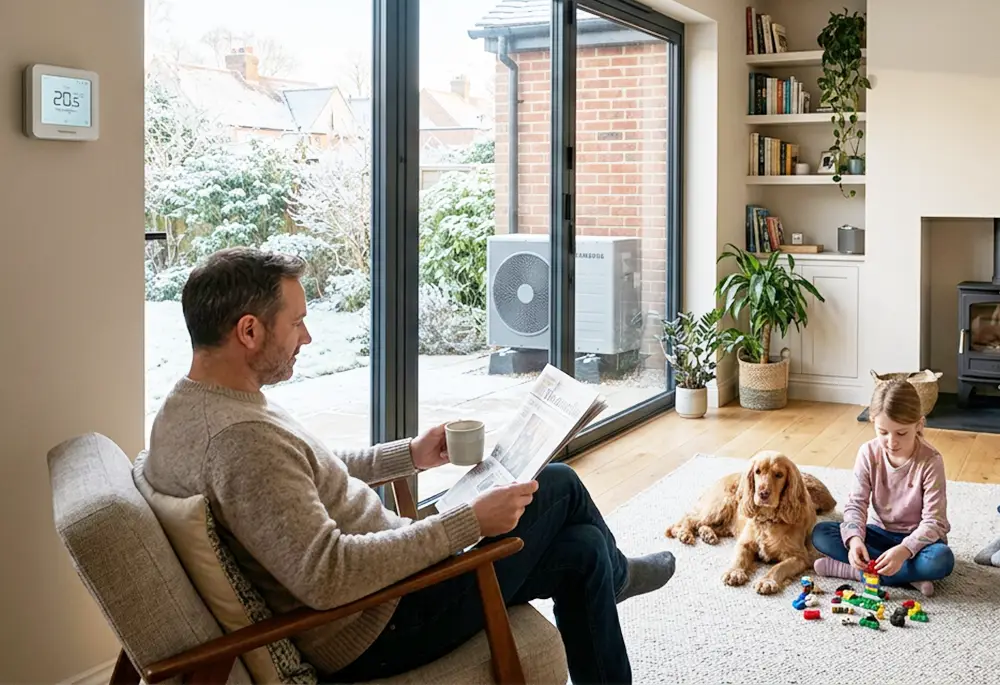
A properly sized air source heat pump is designed to heat a home through a British winter, including frosty conditions. It extracts heat from outside air even when the temperature is low. However, its efficiency naturally reduces as the weather gets colder, which is exactly why accurate sizing and radiator assessment are so important.
The biggest change for many households is how they use heating controls. Instead of turning the heating on for short, high-temperature bursts, a heat pump generally performs best with steadier settings and gentle temperature adjustments. Keeping the home at a consistent comfortable temperature often uses less energy than repeatedly asking the system to catch up from cold.
This can feel unfamiliar at first, but it is not complicated once the controls are set correctly. Clear handover and advice from the installer should be part of the job, so you understand how to get the best from the new system rather than being left with unfamiliar controls.
6. Costs, savings and the real trade-offs
Replacing an oil boiler with a heat pump usually costs more upfront than fitting another oil boiler. The total depends on the heat pump size, radiator upgrades, cylinder work, electrical alterations, groundwork and the complexity of the property. Financial support may be available through schemes such as the Boiler Upgrade Scheme, subject to eligibility and current rules, and this should be checked as part of the quotation process.
Running costs are not fixed either. They depend on the home’s heat demand, electricity tariff, the heat pump’s seasonal efficiency and how the system is operated. A well-designed heat pump can produce several units of heat for every unit of electricity it uses. That can make it a compelling alternative to oil, particularly where oil costs rise or deliveries are inconvenient.
There are trade-offs to consider. A heat pump needs outdoor space for the unit and sensible siting to manage airflow, access and sound. It requires an electricity supply, so a power cut will stop it just as it would stop the controls and pumps on many oil systems. It may also need more internal space for a cylinder than a combi-style arrangement.
On the other hand, removing an oil tank can free up garden space and eliminate the concern of ordering fuel or dealing with a tank reaching the end of its life. Heat pumps also avoid on-site combustion, flue arrangements and the emissions associated with burning heating oil.
7. When keeping oil may still make sense
A heat pump is not automatically the best answer for every building. If a property has very high heat loss and the owner does not wish to improve insulation or radiators, a replacement oil boiler may be the more practical short-term option. The same can apply where there is no suitable space for an outdoor unit or hot water cylinder.
There is also a middle ground. Some households plan insulation and heating improvements in stages, replacing the oil boiler only when the building is ready. Others may consider a hybrid arrangement in specific circumstances, although this adds complexity and should be assessed carefully rather than chosen as a default.
The important point is not to judge suitability from the age, style or postcode of a home. A detailed survey gives a clearer answer than assumptions about whether an older rural property can or cannot use low-carbon heating.
8. What a proper heat pump survey should cover
Before committing, ask for a clear proposal that explains the proposed heat pump output, room-by-room heat losses, radiator changes, hot water cylinder size and expected electrical work. It should also cover the outdoor unit location, condensate drainage, controls, commissioning and what happens to the oil boiler and tank.
You should be able to see what is included in the price and why each recommendation has been made. This avoids unexpected extras and makes it easier to compare quotations fairly. It is reasonable to ask how the system will perform in cold weather, what temperature it is designed to maintain and how it will be set up for your household.
For homeowners considering the change in Taunton, Wellington or the surrounding rural areas, Blackdown Heating Ltd can assess the full heating system rather than treating the heat pump as a stand-alone product. That includes the practical details that decide whether the finished installation feels comfortable and worthwhile.
A heat pump replacement is best approached as an improvement to the whole heating system, not a race to remove the old boiler. With an honest survey and a design suited to the property, moving on from oil can be a confident, long-term decision.
Summary
A air source heat pump can replace an oil boiler in many homes, but the right solution depends on your property's heat loss, heating system and overall suitability. A professional survey ensures the system is correctly designed to deliver efficient, reliable heating and hot water for years to come.
Book a free heat pump consultation today!
Considering replacing your oil boiler with a heat pump? Contact Blackdown Heating Ltd for expert advice and a professional home assessment to find the best heating solution for your property.
View All Articles 07880 724 998
 Air Source Heat Pump Quote